

Outdoor Fireplaces
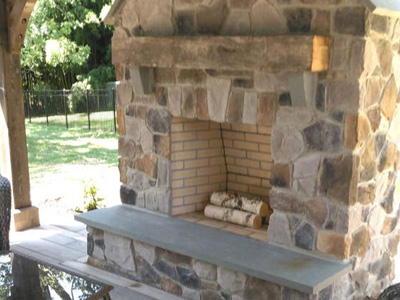 Outdoor fireplaces are more than decorative additions - they are custom-built structural features that define how a patio or outdoor living space is used and experienced. When professionally designed and constructed, a fireplace becomes a permanent architectural focal point that anchors seating areas, enhances comfort, and brings visual balance to high-end hardscape environments. At Piracci's Landscaping, Inc., outdoor fireplaces are planned as an integrated part of the overall landscape construction process, ensuring they complement surrounding patios, pool decks, outdoor kitchens, and entertainment areas rather than functioning as isolated elements.
Designing Fireplaces as Part of the Overall Outdoor Layout
A successful outdoor fireplace installation begins with careful design integration. Placement is one of the most important factors influencing both aesthetics and usability. Fireplaces are commonly positioned along the edge of a patio to frame gathering zones, incorporated into built-in seating walls to encourage social interaction, or located near outdoor kitchens to create cohesive entertaining spaces. In larger landscapes, fireplaces may be used to define outdoor “rooms,” helping separate dining, lounging, and recreational areas while maintaining visual continuity.Strategic positioning also ensures proper circulation and safety. By considering how people move through a space, contractors can prevent congestion around entry points, walkways, and transitions between hardscape features. Orientation plays an equally important role in airflow and smoke management. Aligning the fireplace with prevailing wind patterns and open sightlines helps maintain comfort while preserving unobstructed views of the surrounding landscape. These planning decisions allow the fireplace to enhance both the function and atmosphere of the entire outdoor environment.
Structural Planning and Installation Requirements
Because outdoor fireplaces are permanent structures, they must be built on a stable and properly engineered foundation. Installation begins with site evaluation, including grading conditions, soil stability, drainage patterns, and load-bearing requirements. A reinforced footing is typically required to support the weight of masonry materials and prevent shifting over time. Proper base preparation is essential for long-term performance, particularly in regions where freeze-thaw cycles can affect ground movement and hardscape stability.Construction methods focus on durability and heat resistance. Skilled contractors use reinforced cores, fire-rated liners, and high-temperature mortars to ensure safe operation. Integration with surrounding paver systems, retaining walls, and patio surfaces is handled with precision so that the fireplace feels like a natural extension of the landscape rather than an afterthought. Expansion joints, ventilation considerations, and structural clearances are all part of the installation process, helping protect nearby features while ensuring code-compliant performance.
Integrating Fireplaces with Patios, Pool Decks, and Outdoor Kitchens
Outdoor fireplaces are most effective when they support how homeowners actually use their outdoor spaces. On patios, they often serve as the central gathering point for evening relaxation or seasonal entertaining. Within seating areas, fireplaces provide warmth that extends the usability of outdoor living environments well into cooler months. When placed near pool decks, they create visual contrast between water and fire elements while offering a comfortable transition area for swimmers and guests.In outdoor kitchen designs, fireplaces can enhance ambiance and encourage longer social interactions after meals. They also contribute to balanced spatial planning by anchoring one side of an entertainment zone while cooking and dining functions occupy another. By thoughtfully coordinating layout and scale, contractors ensure the fireplace contributes to an organized, inviting atmosphere rather than overwhelming the surrounding design.
Fuel Types and Functional Considerations
Selecting the right fuel system is an important step in the design process. Traditional wood-burning fireplaces offer a natural sensory experience, including the sound and aroma of a real fire, making them popular for rustic or classic outdoor settings. Gas fireplaces, on the other hand, provide convenience, cleaner operation, and instant ignition, which appeals to homeowners seeking ease of use and consistent performance. Each option involves specific installation requirements related to ventilation, gas line routing, and safety clearances.Functionality also extends to how the fireplace contributes to year-round comfort. Properly designed fire features can serve as wind buffers, radiant heat sources, and visual focal points during both daytime and evening use. Contractors often consider seating distances, chimney height, and flame exposure to ensure optimal warmth without excessive smoke or glare. These practical elements help transform the fireplace into a dependable feature that supports long-term outdoor enjoyment.
Material Choices and Long-Term Durability
While layout integration remains the primary focus, material selection plays a significant role in determining the fireplace's appearance and performance. Natural stone installations deliver a timeless, high-end aesthetic that blends seamlessly with landscaped surroundings and architectural elements. Concrete construction allows for contemporary styling, custom shapes, and smooth finishes suited to modern outdoor living designs. Block structures offer strength and flexibility, often serving as a structural base that can be finished with veneers or textured coatings to achieve a desired look.Durability is closely tied to the quality of materials and craftsmanship used during installation. Heat-resistant components, weather-appropriate finishes, and proper joint detailing all contribute to the longevity of the structure. When combined with expert design planning, these material choices help ensure the fireplace maintains both its visual appeal and functional integrity over time.
A Permanent Focal Point for Elevated Outdoor Living
A professionally designed outdoor fireplace ultimately becomes more than just a source of warmth - it is a defining architectural feature that shapes how outdoor living spaces are experienced. By integrating the fireplace into patios, seating areas, pool environments, and entertainment zones, contractors create cohesive landscapes that feel purposeful and inviting. With careful attention to placement, structural engineering, fuel selection, and material performance, Piracci's Landscaping, Inc. delivers outdoor fireplaces that enhance property value while providing lasting comfort and enjoyment.Ready to add a custom outdoor fireplace that elevates your patio or outdoor living space? Trust the experienced team at Piracci's Landscaping, Inc. to design and build a structurally sound, beautifully integrated fire feature tailored to your property. From layout planning and material selection to expert installation, we handle every detail to ensure lasting performance and visual impact. Contact us today on 215-541-9202 or via our online form to schedule a consultation and start creating a warm, inviting focal point for your outdoor environment.