

Erosion Control
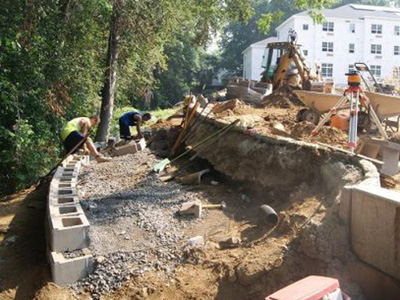 Erosion control is a contractor service used when soil is actively moving, slopes are becoming unstable, or construction activity has disturbed the ground and created runoff risks. In Doylestown, PA, this work is commonly needed during new construction, site grading, excavation, drainage corrections, retaining wall projects, and on properties where water is carrying sediment across the yard or toward neighboring areas. Once topsoil begins washing out, bare slopes start collapsing, or mud tracks form after every storm, the site needs more than cleanup. It needs proper erosion control measures tied to the actual conditions on the property.
Piracci's Landscaping provides erosion control services designed to stabilize sites during and after construction. We focus on protecting exposed ground, controlling soil movement, and keeping projects secure while grading and drainage work is completed. Whether the issue involves a newly cut slope, runoff from a building pad, or disturbed areas after excavation, we install practical systems that support long-term site performance.
When Erosion Control Is Needed
Many erosion issues begin after the ground has been changed. A property may have been regraded, cleared, excavated, or stripped of vegetation. Once soil is exposed, rain can quickly create washout, ruts, and sediment movement. On construction sites, this can delay progress, damage finished work, or create compliance problems if runoff leaves the property.Common reasons erosion control is required include:
- New home construction or additions
- Excavation for drainage, foundations, or utilities
- Slopes cut or reshaped during grading
- Bare soil left exposed after site work
- Water carrying mud across driveways or walkways
- Sediment washing into neighboring lots or streets
- Repeated washout after storms
- Failing hillsides or unstable embankments
Erosion Control and Drainage Work Together
Erosion control and drainage are related, but they are not the same thing. Drainage systems are designed to move water in a controlled direction using grading, swales, drains, piping, and collection points. Erosion control is used to keep soil in place while that water moves.Without drainage corrections, water may continue causing pressure and washout. Without erosion control, even a properly graded site can lose soil before surfaces are stabilized. The most successful projects address both at the same time, especially on sloped or disturbed properties in Doylestown where stormwater can move quickly across exposed ground.
Containment at Property Edges
One of the first priorities on an active site is stopping soil from leaving the work area. During excavation or grading, loose dirt can be carried downhill and deposited onto sidewalks, driveways, neighboring lots, or roadways. Edge containment measures are installed around the perimeter of a disturbed area to catch sediment before it spreads.This phase is commonly completed:
- Before excavation begins
- At the start of grading projects
- Around stockpiled soil areas
- Along downhill property lines
- Near paved surfaces or stormwater inlets
Slope Stabilization During and After Grading
Slopes are one of the most common areas where erosion begins. When a hillside is cut, raised, or stripped of vegetation, the soil loses natural stability. Even moderate rain can create channels, washouts, and gradual slope failure if the area is left exposed too long.Slope stabilization is typically needed when:
- New grading creates banks or embankments
- Retaining wall work leaves adjacent soil exposed
- Existing slopes are shedding soil downhill
- Heavy runoff is cutting grooves into the hillside
- Loose fill soil has been placed and needs support
This phase is critical because once a slope begins failing, repairs often become larger and more expensive. Addressing instability early helps preserve the grade plan and protects nearby hardscapes, drainage systems, and structures.
Surface Protection to Prevent Washout
Flat or gently sloped areas can also erode when freshly disturbed soil is left unprotected. Building pads, utility trenches, regraded yards, and open soil zones are vulnerable to surface washout during storms. Rain impact can loosen the top layer of soil, and runoff can carry it away before the area is finished.Surface protection is commonly installed:
- After rough grading and before final landscaping
- Over newly shaped drainage swales
- On exposed soil waiting for the next construction phase
- Around trenches or utility work areas
- On finished grades awaiting seed or permanent cover
Active Site Management During Construction
Erosion control is not always a one-time installation. On many job sites, measures need to be maintained and adjusted as grading, excavation, and drainage work continue. As soil piles move, elevations change, or sections are completed, protection methods may need to shift with the project.That is why contractor-led erosion control is important. It should respond to actual site conditions, weather exposure, and the stage of construction rather than remain static while the site changes.
Protecting the Property After Construction
Once grading and drainage improvements are complete, the site still needs final stabilization. Newly shaped land remains vulnerable until surfaces are secured and runoff patterns are proven during storms. Finishing this stage properly helps prevent callbacks, repairs, and recurring washout problems.Long-term protection focuses on preserving the final grade, supporting drainage flow, and keeping soil where it belongs.
Erosion Control Contractor in Doylestown, PA
Piracci's Landscaping provides erosion control services in Doylestown, PA for construction sites, drainage projects, slope repairs, and properties dealing with active soil loss. We approach each project based on site conditions, water movement, grading needs, and construction timing to keep work areas stable and protected from start to finish.If your property has exposed slopes, runoff carrying sediment, or upcoming excavation that requires erosion control planning, contact Piracci's Landscaping today on 215-541-9202 or via our online form to schedule a site evaluation and discuss the right solution for your project.